The S&P 500 hit yet another record high yesterday, led by fabulous earnings momentum (FEMO). That puts the index closer to our year-end target of 8,250 and 10,000 by the end of the decade. The economy has been growing without a recession since the Great Financial Crisis, except for the two-month lockdown recession in 2020. Our Roaring 2020s scenario is in its seventh year. Lots has gone wrong since the start of the decade, yet here we are with real GDP and the S&P 500 at record highs.
What could possibly go wrong as we look toward the end of the decade and the beginning of the new one? Lots could go wrong, yet the economy and stock market are likely to continue to pass future stress tests over the remainder of the decade as they have since the start of the decade.
So, we continue to assign a subjective probability of 80% to our Roaring 2020s scenario. The remaining 20% includes events that could derail this happy scenario. To discipline our research, we update this worry list from time to time. Here is the latest:
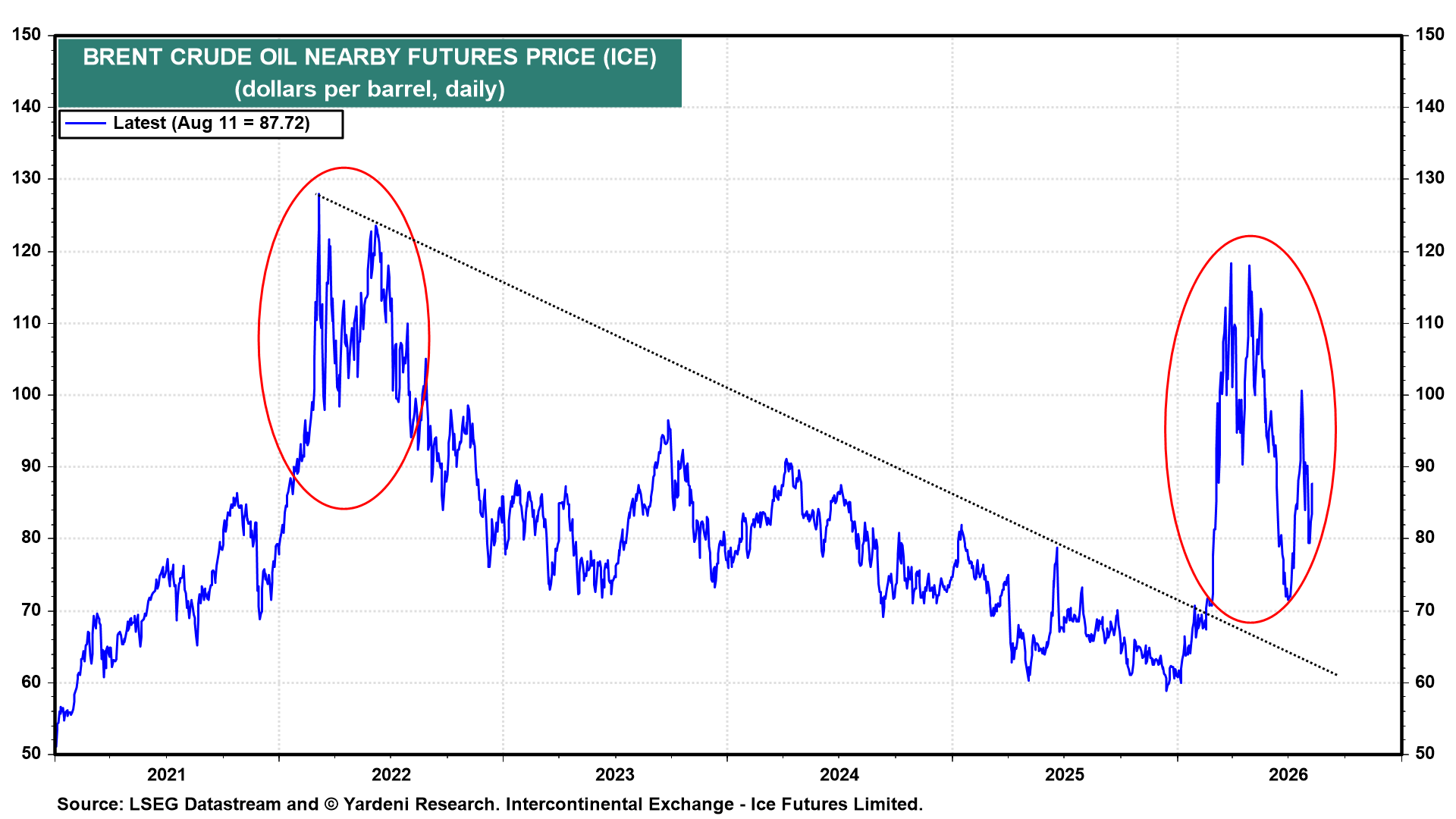
(1) Geopolitics. The Middle East has been a geopolitical maelstrom at least since Biblical times. The latest conflict started on February 28, when the US and Israel attacked Iran. Most observers expected a short war. However, Iran is under the control of the Iranian Revolutionary Guard Corps, a terrorist organization that is hard to defeat with just an air bombing campaign. The combatants on both sides have de-escalated the conflict in recent months. However, navigation through the Strait of Hormuz remains challenging, and Iran still has a nuclear program. The US continues to blockade Iran's crude oil exports. A flare-up in the war could push oil prices to this year's high or higher since oil inventories are running low around the world (chart).
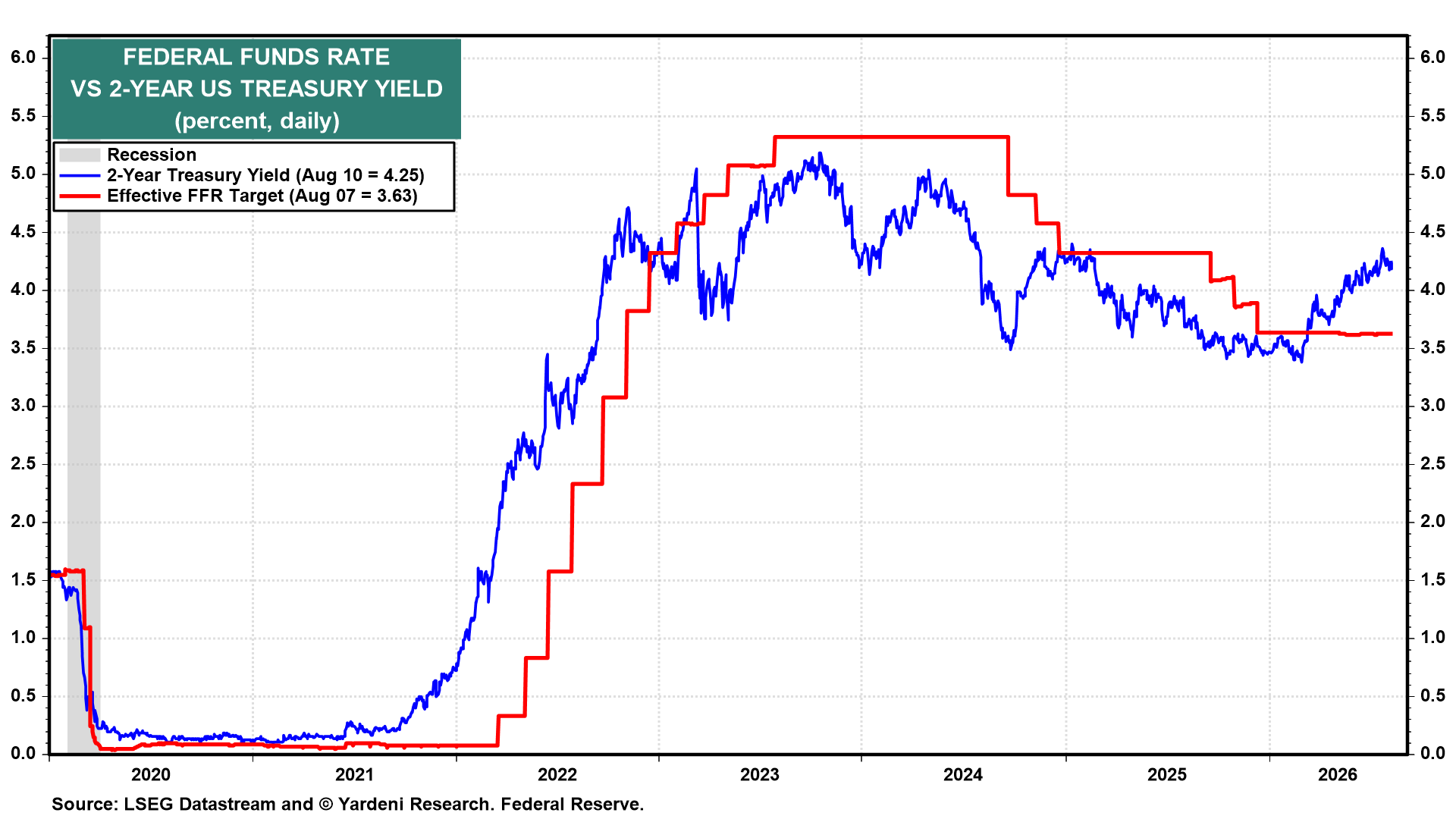
(2) Bond Vigilantes. The 2-year US Treasury yield remains about 75bps above the federal funds rate, signaling that the Fed should raise the federal funds rate soon (chart). Friday's weak jobs report hasn't altered the scenario embedded in the yield, suggesting that financial markets continue to believe that the labor market is at full employment, while inflation remains above the Fed's 2.0% target.
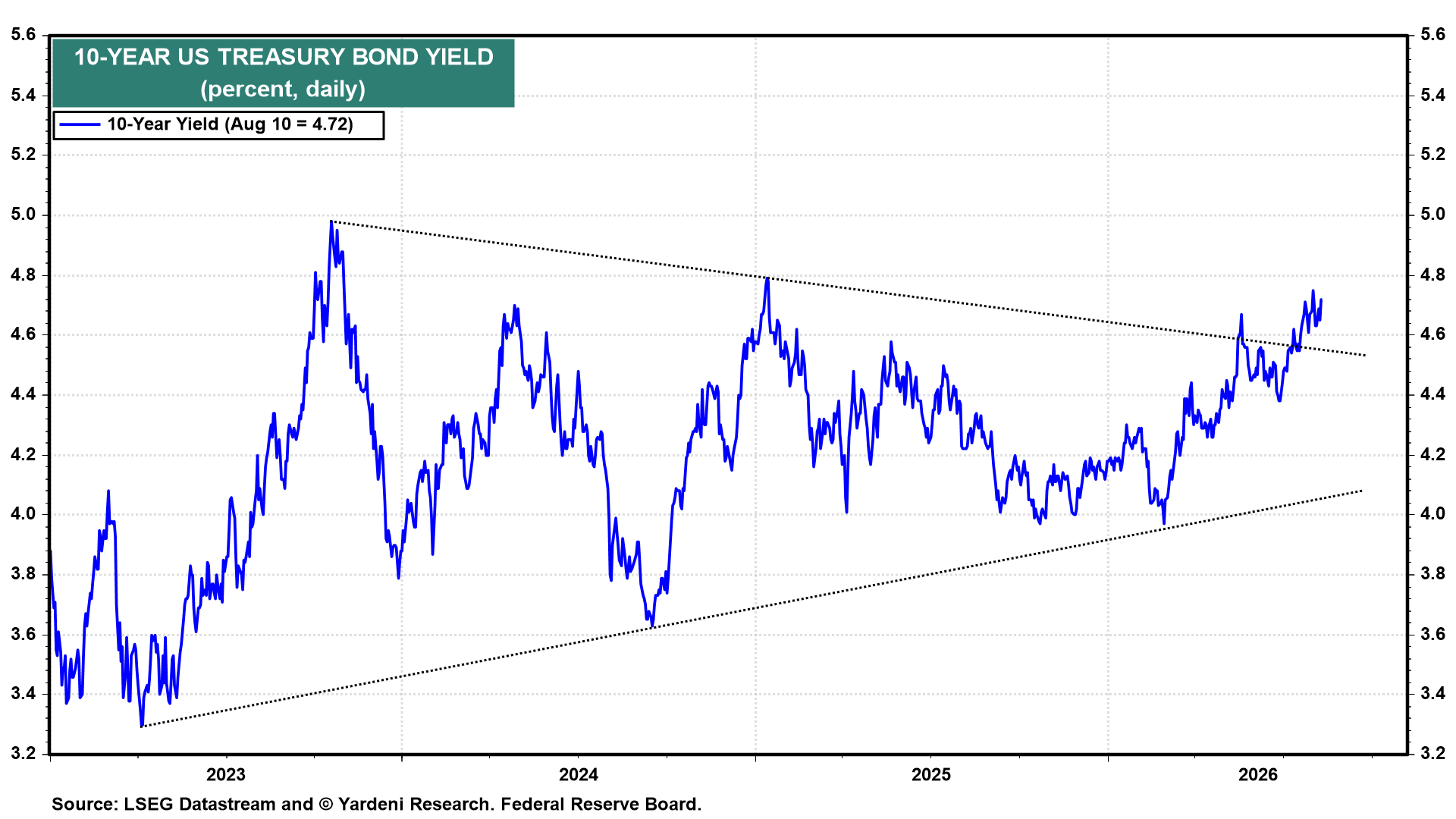
The risk is that the Bond Vigilantes will push bond yields higher if the Fed's credibility as an inflation fighter is diminished by monetary tightening deemed too little, too late (chart).
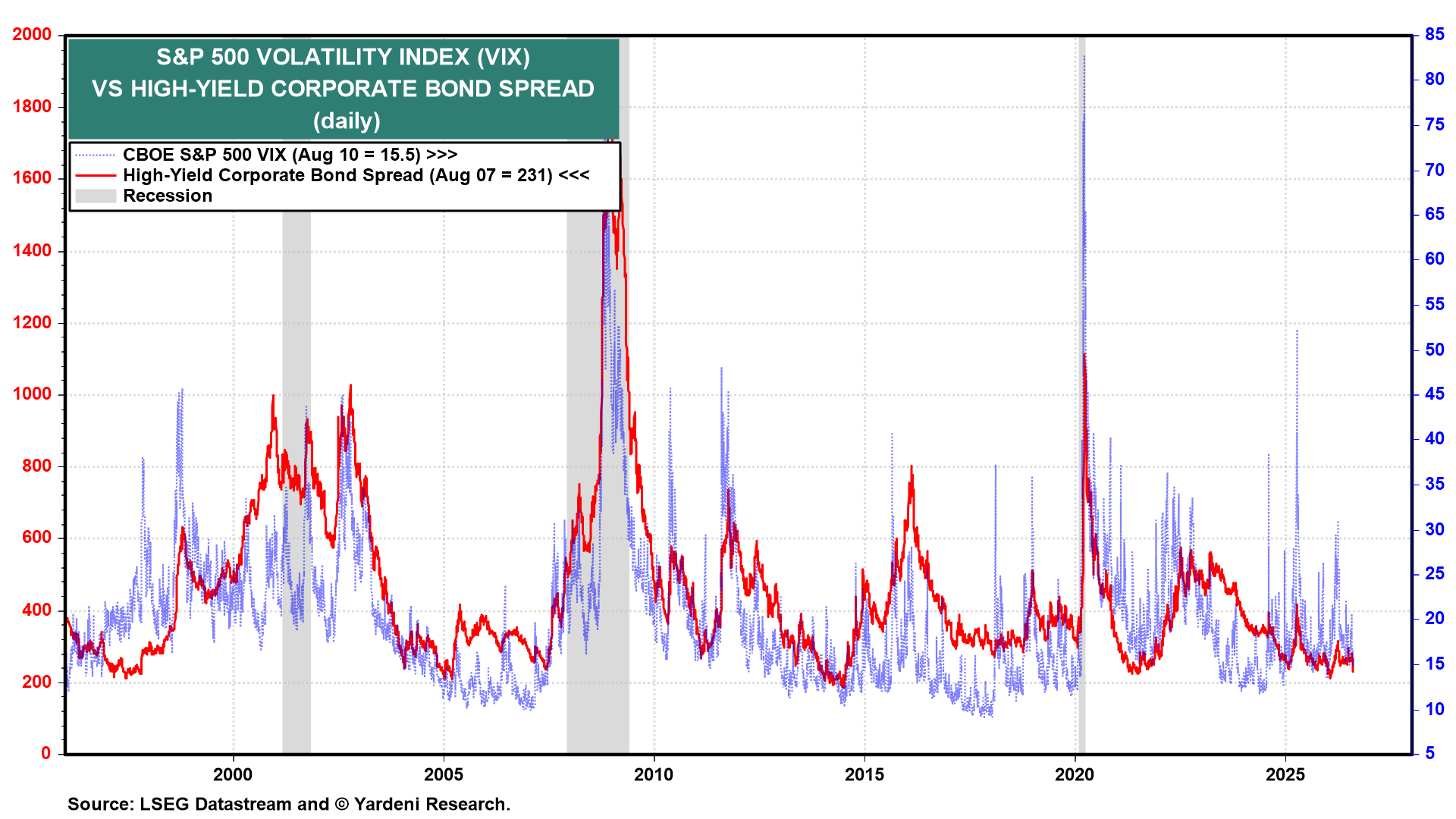
(3) Credit. Indicators of credit quality are not signaling much distress in the corporate bond market (chart). However, the recent deluge of bonds issued by hyperscalers has widened their spreads with comparable Treasury yields. The risk is that the supply of the former pushes yields broadly higher. Default risk seems low, so far.
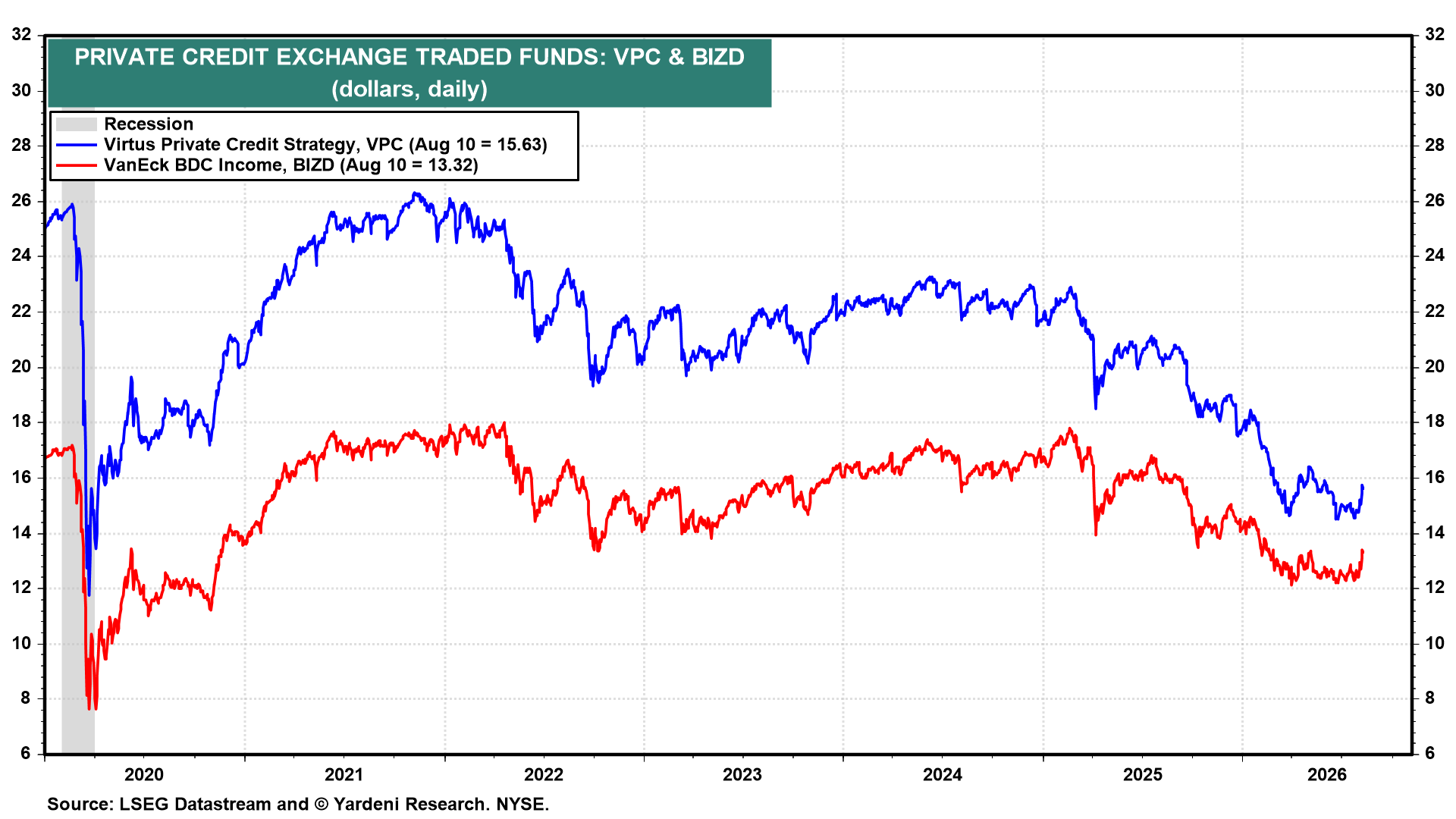
Private credit quality and defaults remain concerns (chart). However, the cracks related to private loans to software companies have stopped widening. The risk of systemic risk seems relatively small for now.
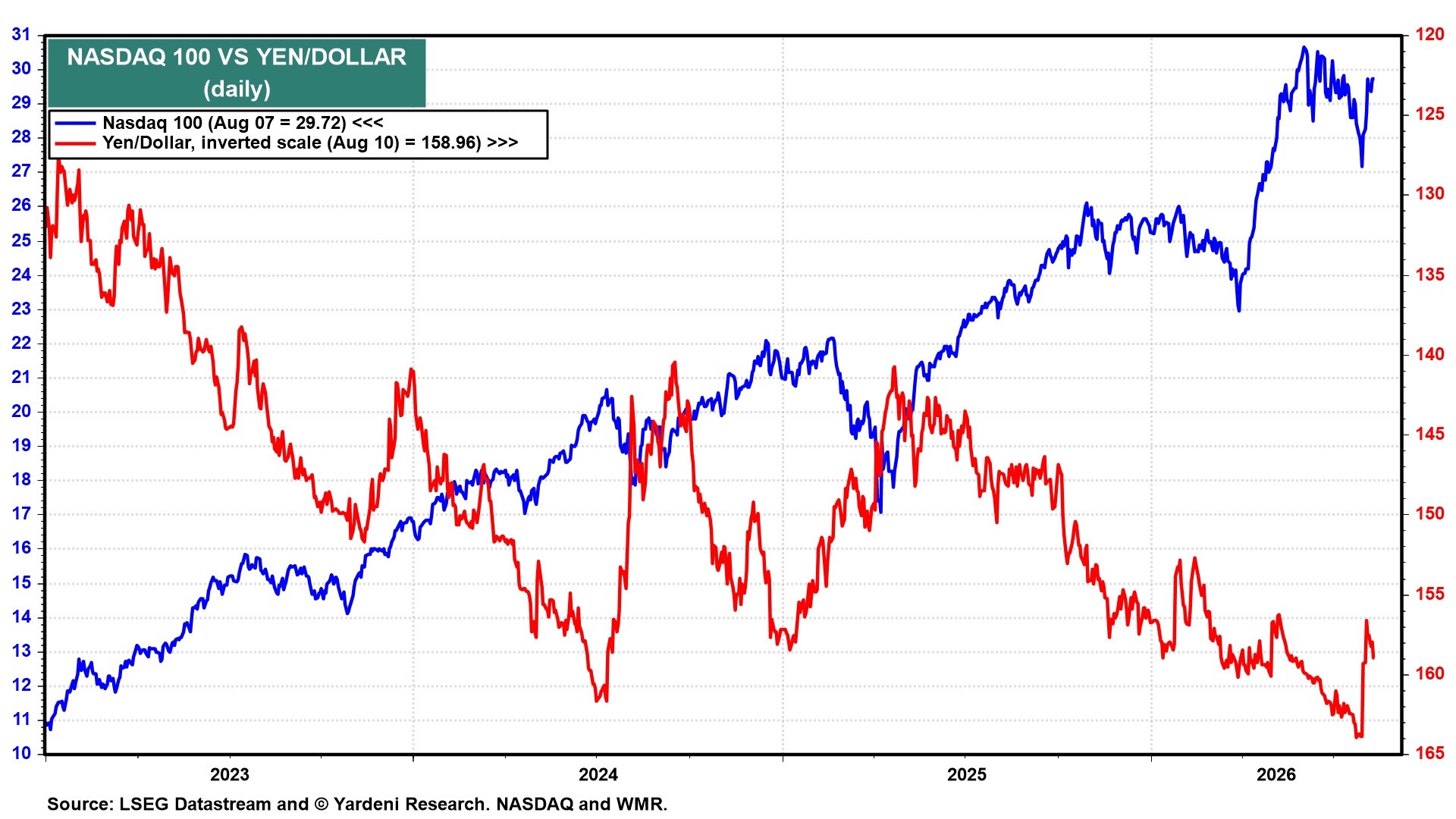
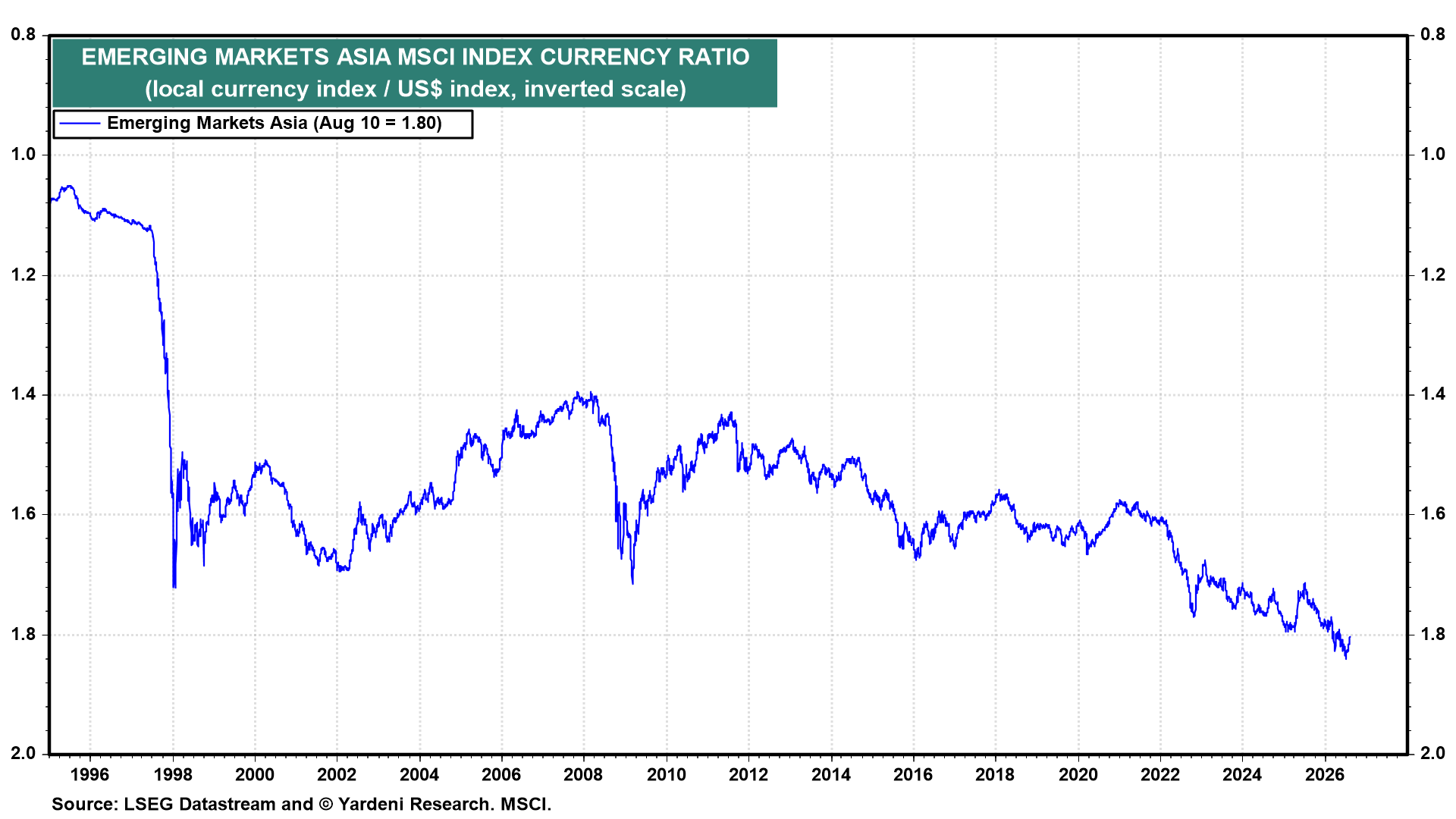
(4) Currencies. The recent joint intervention by the US and Japan to prop up the yen has raised concerns about the unwinding of the yen carry trade (charts). It does the same for the vulnerability of the US dollar should other central banks have to sell their US Treasury reserves to support their currencies. In this scenario, there would be upward pressure on US bond yields (charts).
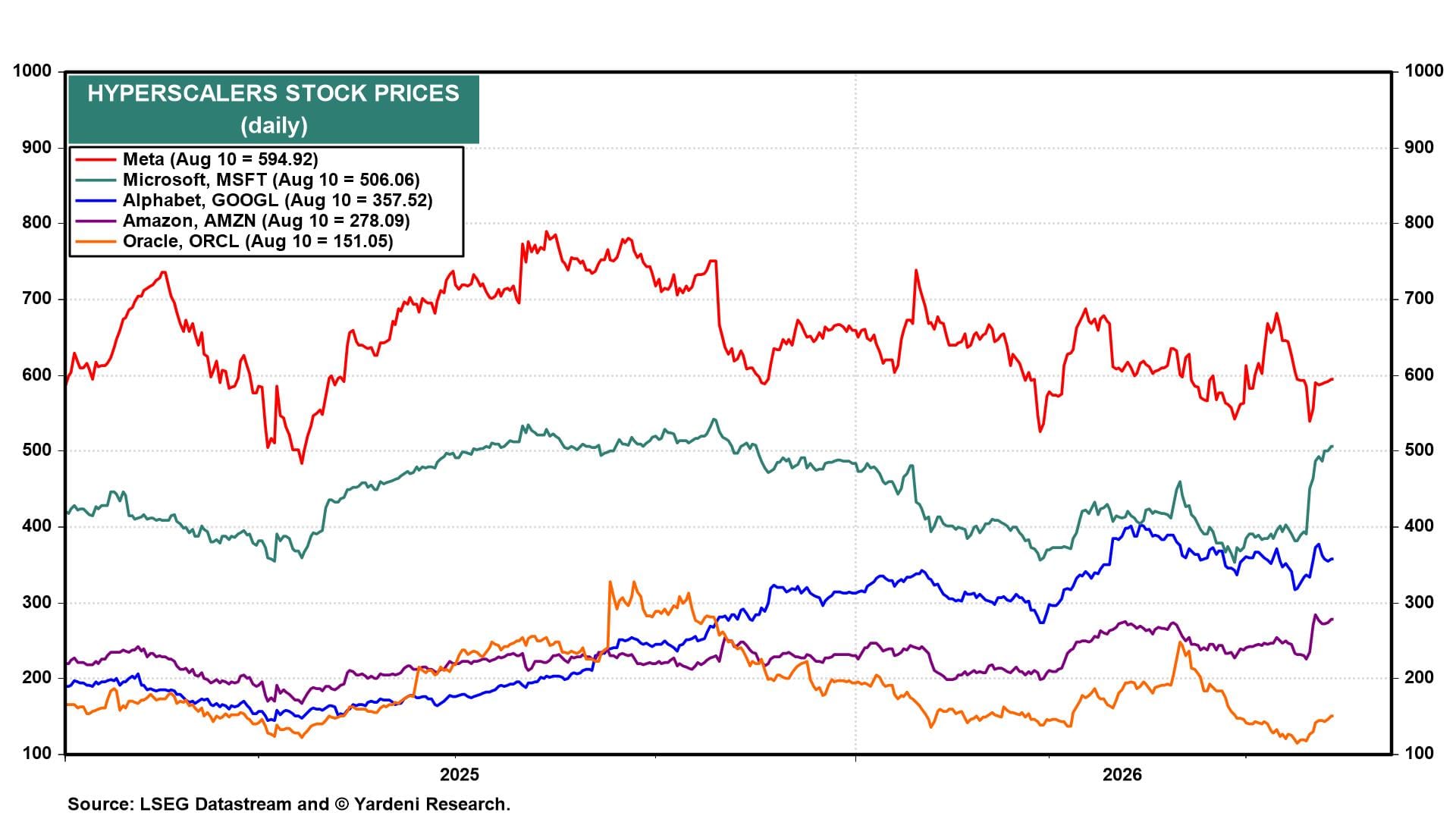
(5) AI. The AI trade has been volatile. The big winners so far have been the semiconductor companies. The hyperscalers have had mixed results recently (chart). The risk is that their free cash flow has turned negative because they are overbuilding AI capacity and doing it increasingly with debt financing. Circular financing is reminiscent of the seller financing excesses of the dotcom bubble.
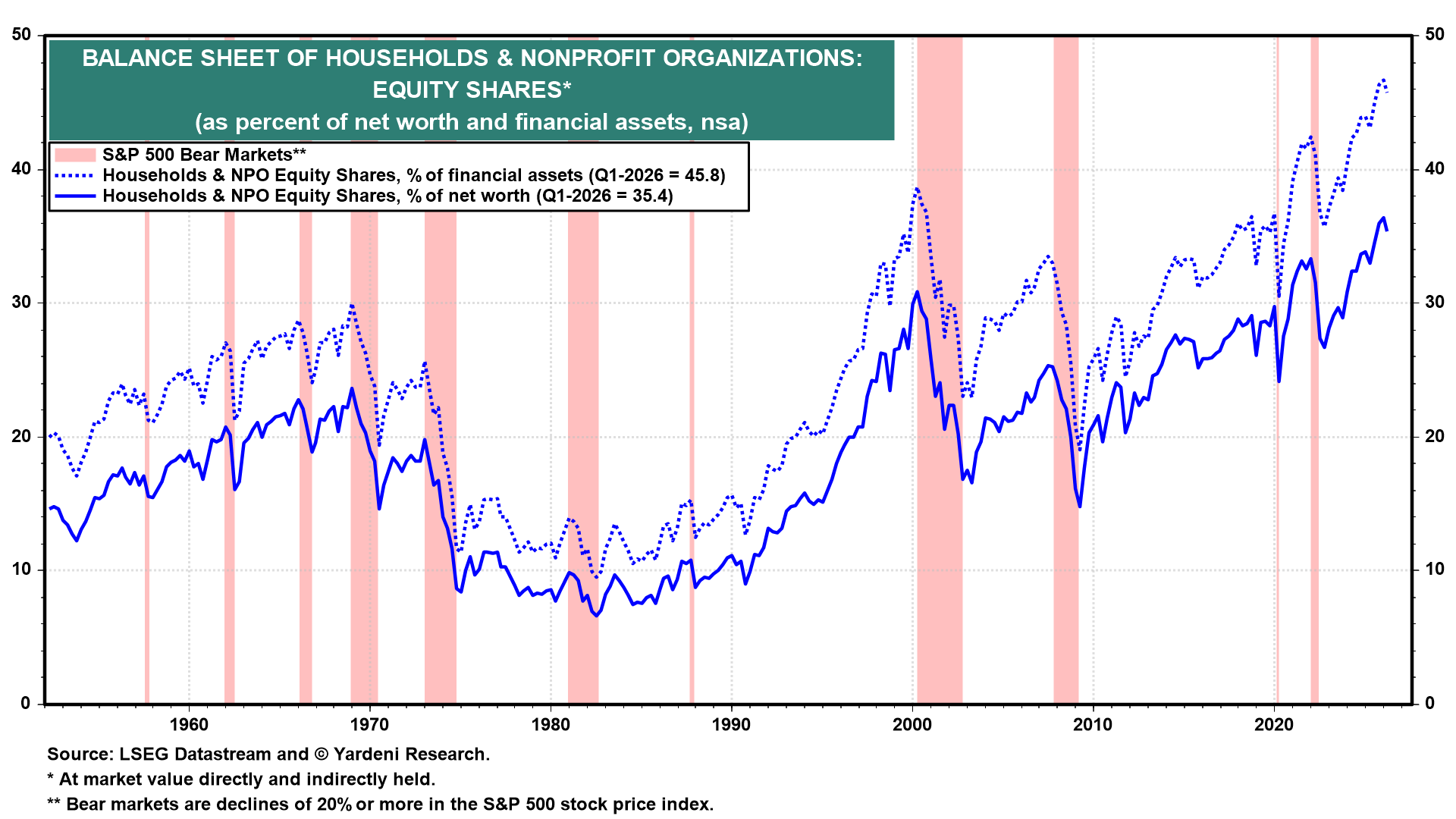
(6) Stock market. The stock market rally since October 2022 has boosted the net worth of many households, especially older ones. During Q1-2026, 45.8% of households' financial assets were in equities (chart). Many older Americans can retire comfortably and afford to keep spending. If the bull market turns into a bear market for some reason, it would be exacerbated if many consumers are forced to retrench.
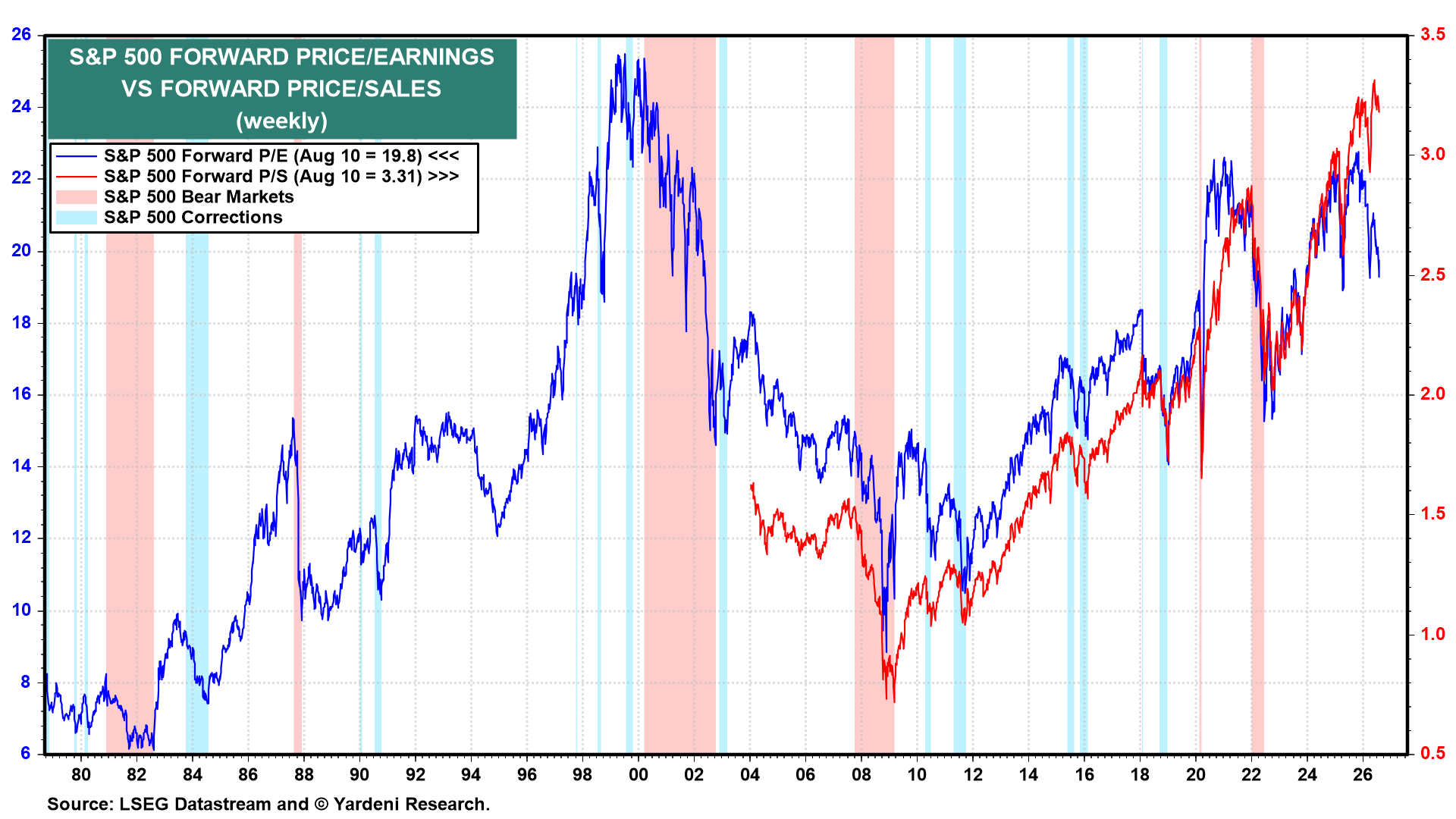
The S&P 500 forward P/E is reasonable at 19.8 currently, though it has been lowered a bit recently by large capital gains included in corporate earnings (chart). More troubling is that the weekly version of the Buffett Ratio is in record-high territory.
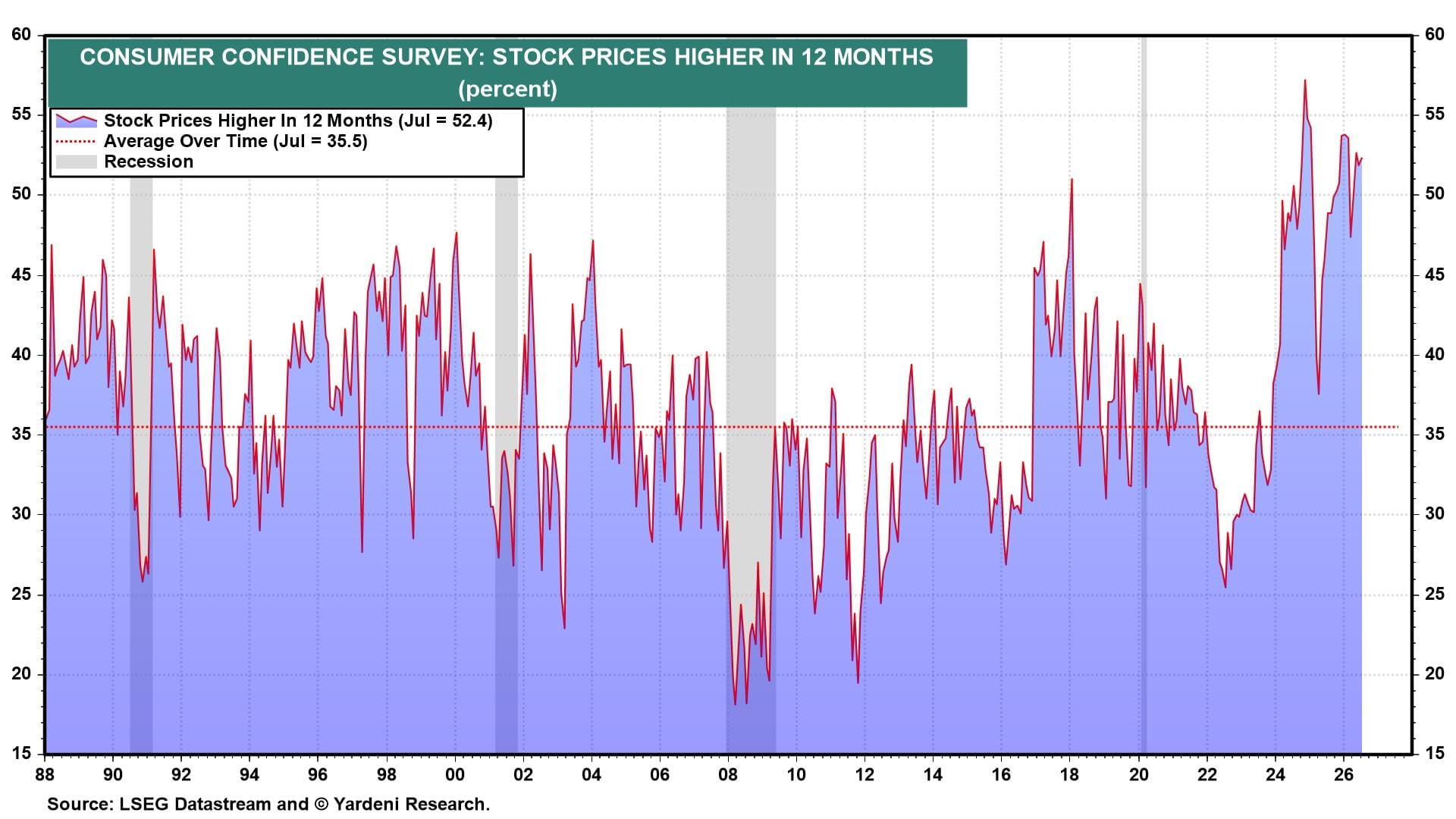
Another warning sign from a contrarian perspective is that too many respondents (52.4%) in the Consumer Confidence Index survey expect that stock prices will be higher in 12 months (chart).
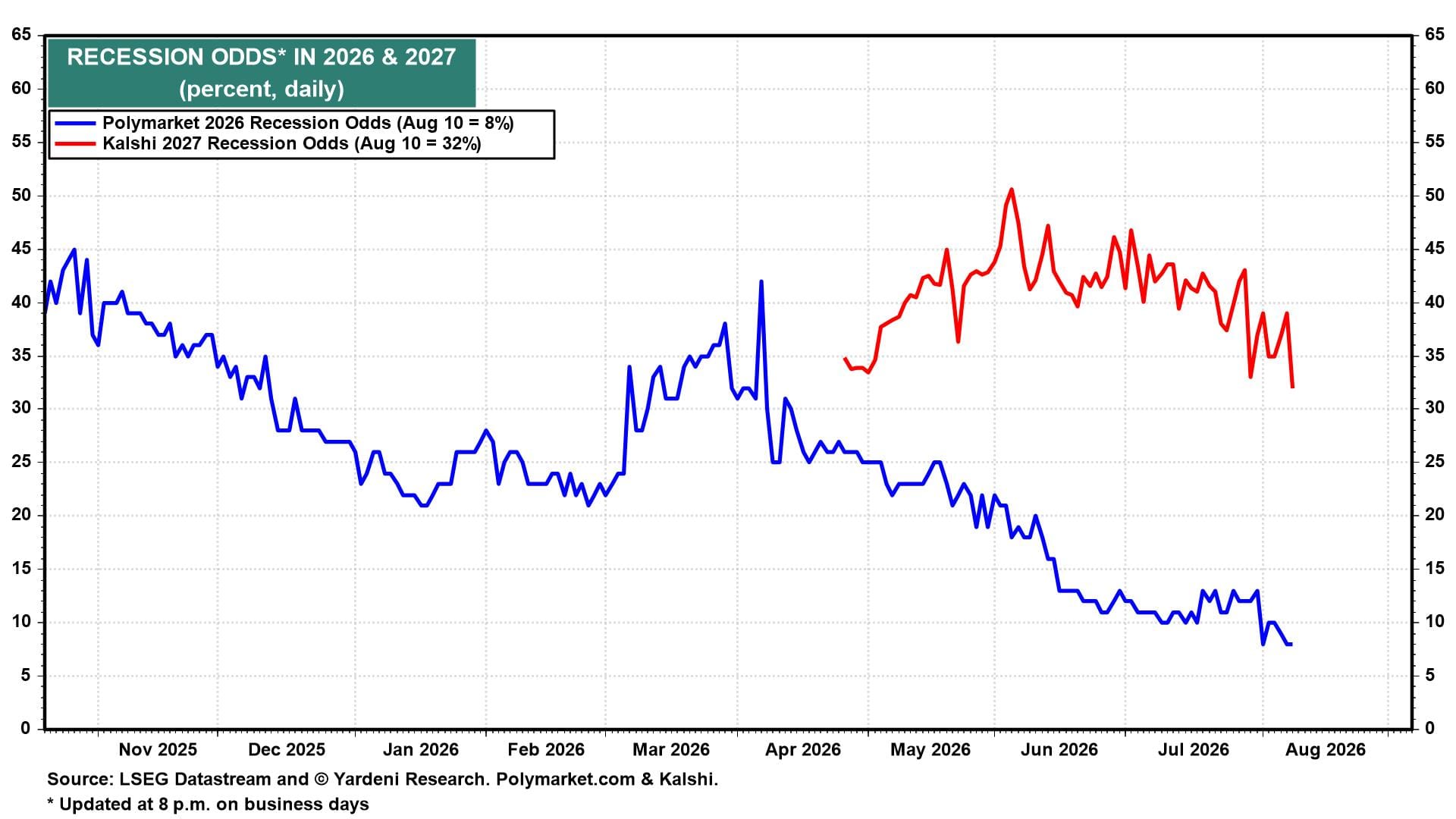
(7) Prediction markets. On the other hand, pessimism about a recession in 2027 is fairly high at 32%, according to Kalshi (chart). If any subset of the above risks comes to the fore, then the odds of a recession will rise (chart).
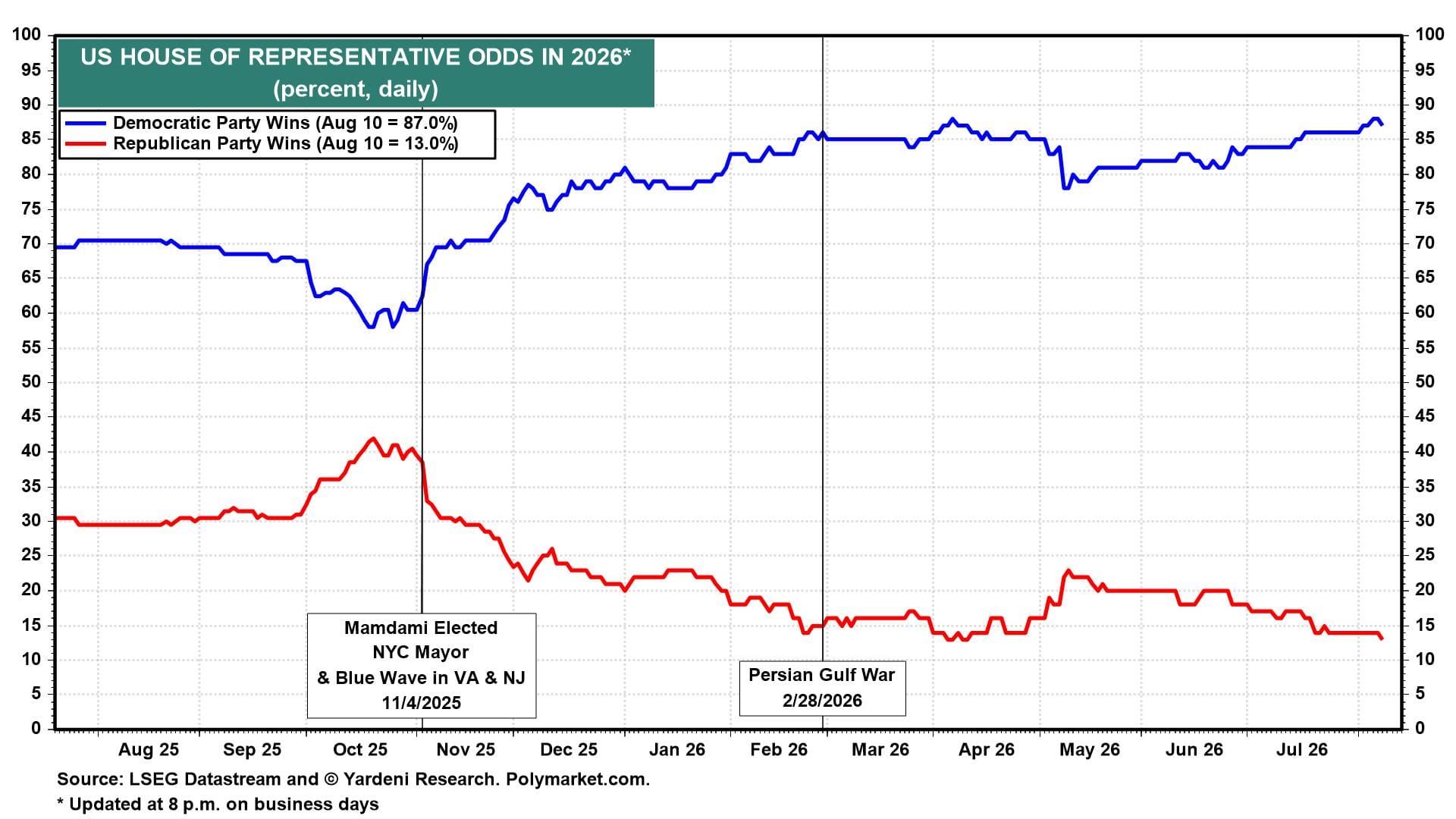
Polymarket is strongly predicting that the Democrats will win a majority in the House in November. The stock market often does well during periods of political gridlock. However, an extremely hostile political divide could have serious adverse consequences if Washington can't get its act together to respond quickly to grave domestic and geopolitical challenges.